


A comfortable home should not have rooms that are consistently too hot, too cold, stuffy, or difficult to keep at the temperature you want. When those problems appear, the HVAC system is often telling you that something needs attention.
Homes in Sun City Lincoln Hills can present their own comfort challenges, including single-story layouts, rooms with significant sun exposure, aging heating and cooling equipment, and airflow imbalances. Some problems require a relatively simple repair or adjustment, while others may point to ductwork, equipment, or system-design issues.
Here are some of the common HVAC problems Sun City Lincoln Hills homeowners should know how to recognize.
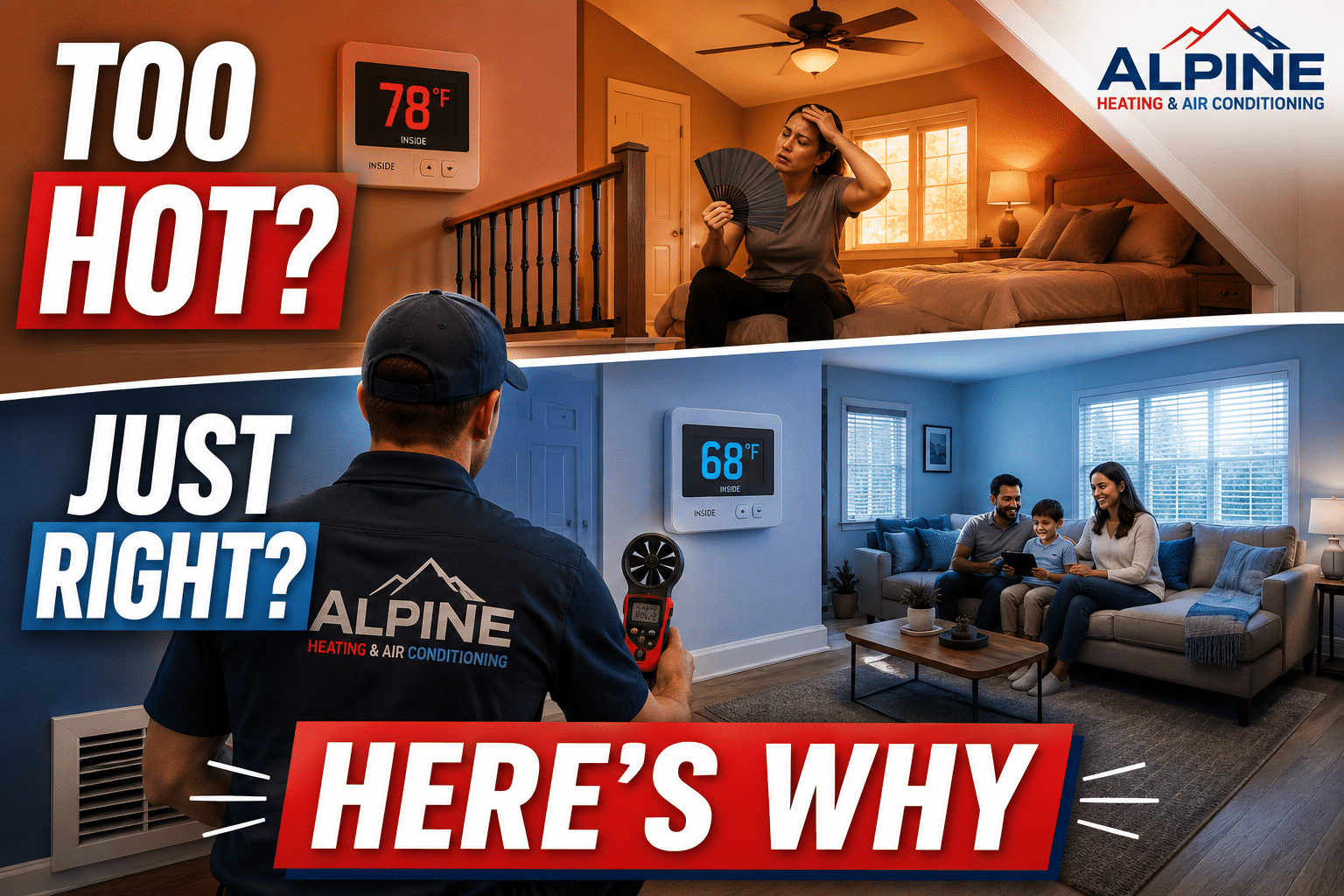
1. Some Rooms Are Hotter or Colder Than Others
Uneven temperatures are one of the most noticeable home-comfort problems. The thermostat may show the correct temperature while a bedroom, living room, office, or other part of the home feels completely different.
Several issues can contribute to uneven heating and cooling, including:
- Restricted or poorly balanced airflow
- Leaking or damaged ductwork
- Rooms with greater afternoon sun exposure
- Thermostat location
- HVAC equipment that is not operating properly
- A system that is poorly matched to the home’s comfort needs
Closing vents in uncomfortable rooms is usually not a good long-term solution because it can change system airflow rather than correct the underlying problem.
For homes where different areas regularly need different levels of heating or cooling, professional HVAC zoning may also be worth considering. Zoning allows different areas of the home to be controlled more independently instead of relying on one thermostat to represent the temperature everywhere.
2. The Air Conditioner Runs but the House Does Not Feel Cool
An air conditioner can appear to be running normally while still failing to keep the home comfortable. You may hear the system operating and feel air coming from the vents, but the temperature does not fall as expected.
Possible causes can include:
- Restricted airflow
- A dirty air filter
- Frozen coils
- Refrigerant-related problems
- Electrical or control issues
- A failing blower motor
- Duct leakage
- Equipment that is struggling under the home’s cooling load
If the system is running for long periods without cooling effectively, continuing to lower the thermostat usually does not solve the underlying problem.
Alpine provides air conditioning repair, installation, replacement, and maintenance for homeowners who are experiencing cooling problems or declining system performance.
3. Weak Airflow From the Vents
Weak airflow can make a home uncomfortable even when the heating or cooling equipment itself is still operating.
If air barely moves from certain vents, the issue may involve the filter, blower, duct system, dampers, or another restriction within the HVAC system.
Signs of an airflow problem can include:
- Some rooms taking much longer to cool or heat
- Very little air coming from one or more registers
- Large temperature differences between rooms
- The HVAC system running for unusually long periods
- Comfort improving significantly near certain vents but not others
A professional diagnosis can help determine whether the problem originates at the HVAC equipment or within the home’s air-distribution system.
4. Aging or Damaged Ductwork
Your HVAC equipment can only perform as well as the system that distributes conditioned air throughout the house. If ductwork leaks, separates, becomes damaged, or restricts airflow, some of the heating or cooling produced by the equipment may never reach the rooms where it is needed.
Duct-related symptoms can include uneven temperatures, weak airflow, longer HVAC run times, or rooms that never seem to become completely comfortable.
Alpine’s ducting services include inspection, repair, sealing, replacement, installation, and airflow-related improvements when the duct system is contributing to comfort problems.
5. The Furnace Turns On but Does Not Heat Properly
During cooler weather, a furnace that runs without producing enough warm air can quickly become noticeable.
Heating problems may involve airflow restrictions, ignition or electrical components, thermostat issues, blower problems, safety controls, or wear within the equipment itself.
Other warning signs can include:
- The furnace repeatedly starting and stopping
- Rooms taking much longer than usual to warm up
- Air from the vents that does not feel sufficiently warm
- Unusual operating noises
- The thermostat calling for heat without the home reaching the selected temperature
Because heating equipment contains electrical and, in some systems, gas-related components, repeated operating problems should be professionally diagnosed rather than repeatedly reset or ignored.
Homeowners experiencing heating problems can review Alpine’s heating services for repair, installation, replacement, and system support.
6. The HVAC System Keeps Turning On and Off
Frequent starting and stopping is commonly called short cycling. Instead of completing a normal heating or cooling cycle, the system starts, operates briefly, shuts off, and then starts again soon afterward.
Short cycling can have several causes, including thermostat issues, restricted airflow, equipment problems, electrical faults, or a system that is having difficulty maintaining the requested temperature.
Repeated short cycles deserve attention because the system may be operating without effectively conditioning the home.
7. The HVAC System Runs for a Long Time
Long run times are not automatically a sign that something is broken. HVAC systems may operate longer during demanding weather conditions.
However, a noticeable change in how long the system runs can indicate a developing problem, particularly when the home still does not become comfortable.
Possible factors include:
- Restricted airflow
- Duct leakage
- Dirty HVAC components
- Declining equipment performance
- Thermostat or control problems
- Heat gain from windows and sun exposure
The important question is not simply how long the system runs, but whether it is maintaining comfortable temperatures while operating normally.
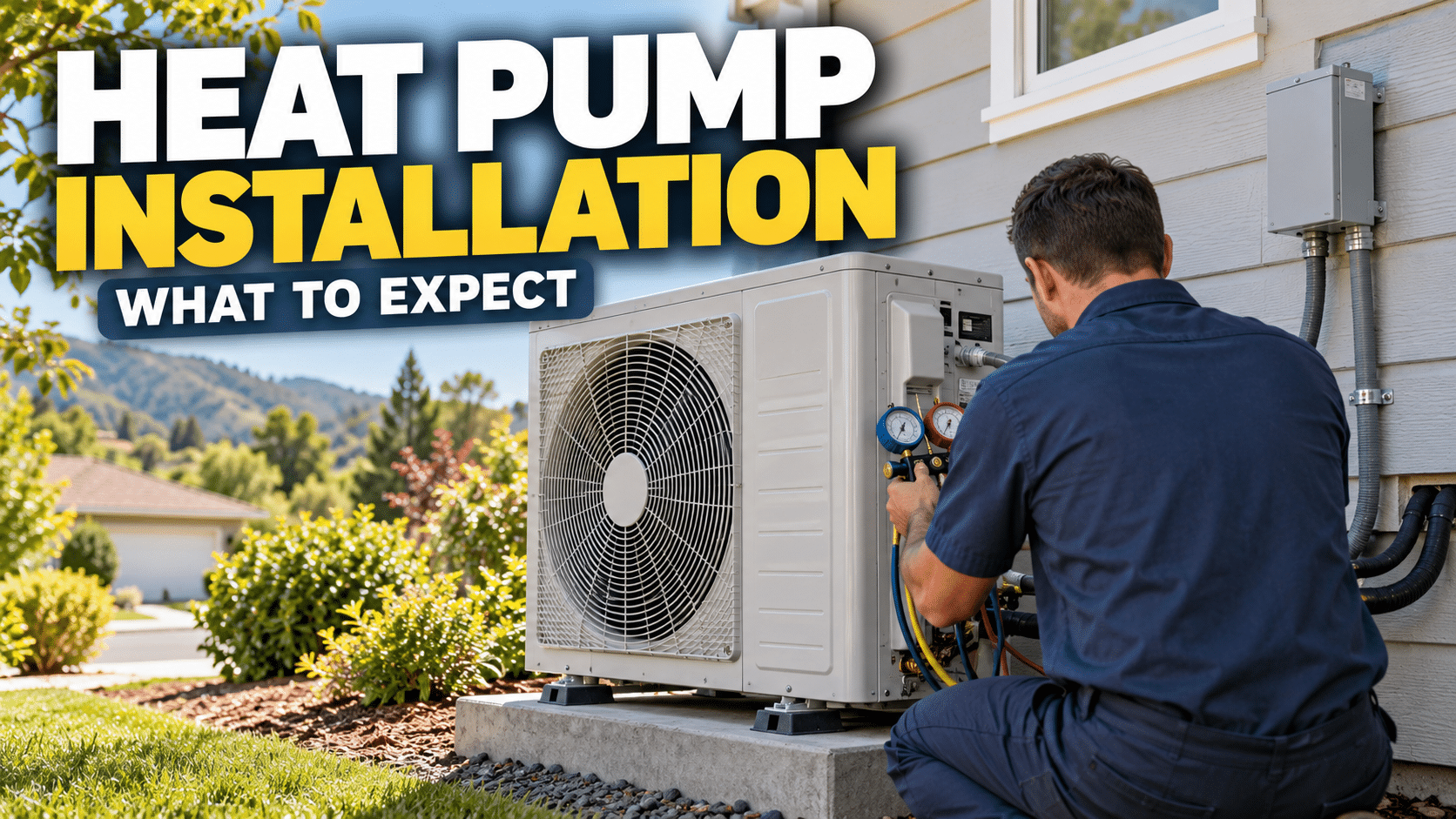
8. The Heat Pump Is Not Heating or Cooling Correctly
Heat pumps provide both heating and cooling, which means a performance problem can affect year-round comfort.
A heat pump that is not performing correctly may have weak airflow, struggle to reach the thermostat setting, cycle unusually, or fail to switch properly between heating and cooling modes.
Because heat pumps use a different operating process than a traditional furnace and air conditioner combination, diagnosing them correctly requires evaluating the complete system rather than assuming the outdoor unit is the source of the problem.
Alpine provides heat pump repair, installation, replacement, and service throughout its Northern California service area.
9. The HVAC System Has Become Noisy
HVAC equipment normally makes some sound during startup and operation, but new or unusually loud noises should not be ignored.
Rattling, buzzing, grinding, squealing, banging, or repeated clicking can indicate anything from a loose component to an electrical or mechanical problem.
If a noise suddenly appears or becomes progressively worse, having the system inspected early may help identify the cause before the problem affects heating or cooling performance.
10. The Thermostat and the Home Do Not Seem to Agree
Sometimes the HVAC equipment is not the only factor involved in a comfort problem. Thermostat location, calibration, settings, or communication with the HVAC system can affect how the system responds.
For example, a thermostat in one comfortable part of the home may satisfy the heating or cooling call even though another room remains too warm or too cold.
When thermostat readings consistently do not match how the home actually feels, the technician should evaluate both the controls and the HVAC system rather than replacing components without determining the cause.
Repair, Adjustment, or Replacement?
Not every HVAC problem means the system needs to be replaced.
Many comfort problems can be traced to a repairable component, airflow restriction, thermostat issue, duct problem, or maintenance need. The condition and age of the equipment, frequency of repairs, overall performance, and cost of correcting the problem should all be considered before making a larger investment.
A thorough diagnosis should answer two questions: what is actually causing the problem, and what is the most practical way to correct it?
HVAC Service for Sun City Lincoln Hills Homes
Sun City Lincoln Hills homeowners need dependable heating and cooling through hot summer weather, cooler winter periods, and the temperature changes that occur throughout the year.
Alpine Heating & Air Conditioning provides HVAC services specifically for Sun City Lincoln Hills homeowners, including air conditioning, heating, heat pumps, zoning, ducting, repair, installation, maintenance, and system replacement.
If your home has uneven temperatures, weak airflow, unusual HVAC operation, or a system that no longer keeps you comfortable, schedule HVAC service with Alpine Heating & Air Conditioning for a professional evaluation.
Frequently Asked Questions About HVAC Problems in Sun City Lincoln Hills
Why are some rooms in my Sun City Lincoln Hills home hotter than others?
Uneven temperatures can result from airflow imbalances, duct problems, sun exposure, thermostat location, or HVAC equipment that is not distributing conditioned air evenly throughout the home.
Does weak airflow always mean I need a new HVAC system?
No. Weak airflow can be caused by filters, ductwork, blower problems, dampers, or other restrictions. The cause should be diagnosed before deciding whether equipment replacement is necessary.
Why does my HVAC system keep turning on and off?
Frequent starting and stopping can be caused by thermostat problems, restricted airflow, electrical issues, equipment faults, or other conditions that prevent the system from completing a normal heating or cooling cycle.
Should I repair or replace an older HVAC system?
The decision depends on the condition of the equipment, repair history, current performance, efficiency, comfort problems, and the cost of the required repair. A professional diagnosis can help determine whether repairing the existing system or replacing it provides better long-term value.
Can ductwork cause heating and cooling problems?
Yes. Leaking, damaged, disconnected, or poorly configured ductwork can reduce airflow and contribute to uneven temperatures, longer HVAC run times, and rooms that are difficult to keep comfortable.